
A product is a good, service, or feature designed to meet specific market needs or solve particular customer problems. Management involves planning, organising, leading, and controlling resources to achieve goals. Product management means orchestrating various product development and launch elements to align with business objectives and customer needs.
Product strategy is the guiding framework for a product's direction. It ensures alignment with market demands and business objectives, setting the product's long-term vision and mission. This strategy serves as the foundation upon which all strategic decisions are based.
Product planning is the process of organising and prioritising product-related activities. It involves determining what features or outcomes to focus on and arranging them to optimise the development process. This component ensures that all efforts align with the product strategy's strategic direction.
Product development transforms conceptual designs into tangible products through a series of stages. This includes designing, prototyping, iterating based on feedback, and finalising the product, ensuring it is valuable, functional, user-friendly, and ready for launch.
The product launch is when the product is introduced to the market. This component involves coordinating various marketing and sales efforts to ensure the product reaches its intended audience and achieves the desired uptake.
Product lifecycle management involves overseeing the product from launch through its growth and eventual phase-out. This component focuses on maintaining the product's relevance and value through continuous improvement and adaptation to changing market conditions.
Effective product management requires collaboration across various functions within an organisation. This component emphasises the importance of coordinated efforts between teams such as product, engineering, marketing, sales, and customer support to enhance the product's success and innovation.

This section explores the dynamic interactions among these components. Understanding this integration is crucial for implementing effective product management practices that respond to evolving market needs and business objectives.
Strategic alignment is at the core of product management. The product strategy sets overarching goals for market positioning, customer needs, and competitive differentiation. These goals are important as they dictate the direction of all product-related activities. For instance, a shift in consumer behaviour might require reevaluating the product strategy, affecting everything from product features to market approach. Organisations can maintain focus and coherence in their product development efforts by ensuring that all components align with this strategic alignment.
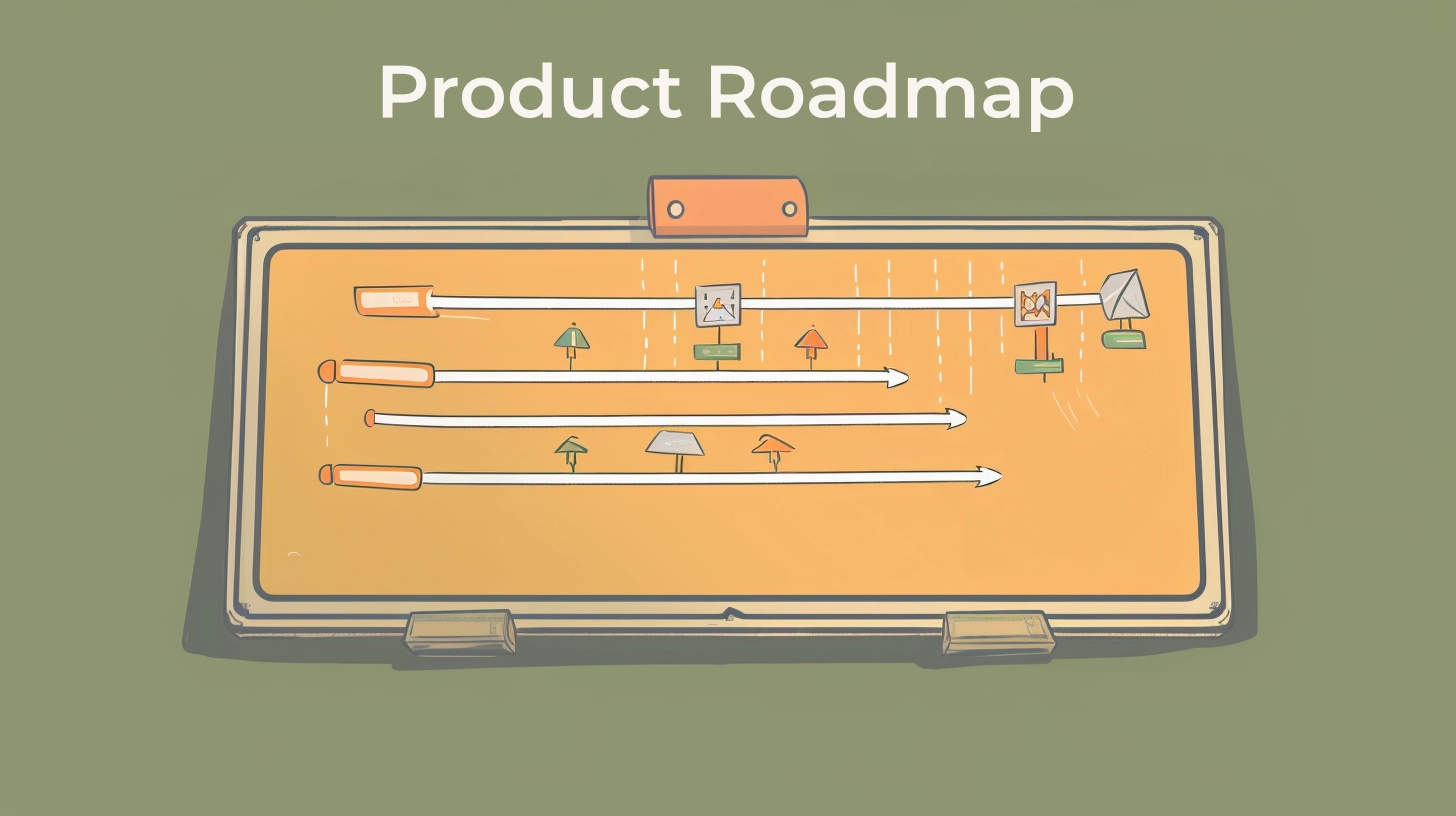
The product roadmap is critical in translating high-level strategic objectives into a timeline. It outlines the major milestones (and outcomes or features) of the planned product’s timeline, guiding the development's priorities and efforts. Also, a dynamically managed product backlog (or priority list) allows teams to adapt their focus based on real-time data and strategic shifts. This flexibility is essential for responding to new challenges and opportunities, ensuring product development remains aligned with the overall business strategy.
Successful product management relies heavily on effective collaboration across various departments. Engineering, marketing, customer service, and sales must work together to align product development with operational capabilities and market expectations. Regular strategy alignment sessions and cross-functional meetings can create effective collaboration, ensuring that all teams are on the same page and working towards unified goals.
A customer-centric approach is critical in product management. This involves continuously gathering and analysing customer feedback, understanding their pain points, and incorporating their needs into every product lifecycle stage to ensure high satisfaction and loyalty.
The launch phase is critical in bringing the product to market and requires a meticulously planned go-to-market strategy. This strategy should ensure the product’s market entry is impactful, aligning marketing efforts with user expectations and readiness across sales channels. A successful launch depends not only on the product itself but also on how well it is received by the market, which is influenced by thorough market research and coordinated marketing efforts. Adjustments based on initial market reception are often necessary, highlighting the need for agility and responsiveness.
Post-launch, continuous monitoring of user adoption rates, customer feedback, and other key metrics (KPI) is essential. These insights guide the product's iterative improvements to ensure it continues to meet user needs and adapt to market changes. The ability to quickly refine product features or adjust marketing strategies based on operational data and user feedback exemplifies the adaptive nature of effective product management.
Common challenges in product management include misaligned departmental goals, which can be addressed through cross-functional OKRs (Objectives and Key Results). Unforeseen market shifts can be managed by adopting agile frameworks, allowing rapid pivots. For instance, if a competitor releases a similar product, a quick market analysis and strategic shift can help reposition the product to maintain its competitive edge.
Modern product management relies heavily on tools such as JIRA and Azure DevOps for project tracking, Notion and Confluence for documentation, and Figma and A/B testing platforms for prototyping and experimentation. These tools can enhance collaboration, streamline workflows, and provide valuable insights into product performance.